PDO Olive Oil
Origin, authenticity and the highest quality.
The Aceite de Lucena Protected Designation of Origin covers extra virgin olive oils produced mainly from the Hojiblanca variety, also known locally as Lucentina. This variety accounts for more than 90% of olive groves in most municipalities within the protected area, except for Iznájar, where it represents approximately 86%, and Montilla, where its share is between 50% and 60%.
The second most important variety within the PDO is Picual, while Iznájar also has a notable presence of the Picudo variety. Other authorised varieties, such as Arbequina, Lechín, Tempranilla, Ocal, Campanil and Chorruo, have a very limited presence, contributing nuances and diversity to the olive-growing landscape.
To offer the market a product that guarantees origin, authenticity and the highest quality, the Regulatory Council of the Aceite de Lucena PDO carries out regular technical audits at registered olive mills, overseeing production, processing and control procedures.
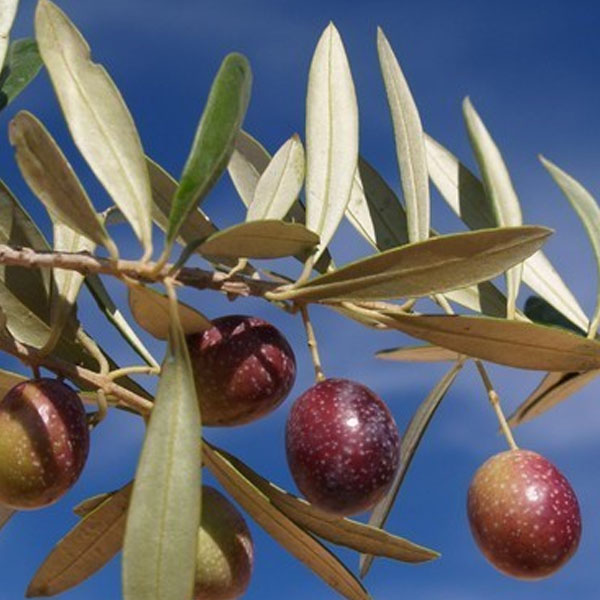
The Hojiblanco or Lucentino is the most representative and widespread olive tree in the Designation of Origin territory. It has an upright growth habit, with long, productive branches that droop slightly. Its canopy has a medium to open density and an evenly distributed leaf area, while its young wood has a distinctive light greyish-green colour. It is particularly resistant to cold and perfectly suited to the area’s characteristic limestone soils.
The Extra Virgin Olive Oil covered by the Aceite de Lucena PDO is obtained exclusively from olives harvested directly from the tree, from olive trees (Olea europaea) of the main Hojiblanca variety, complemented by the authorised secondary varieties: Arbequina, Picual, Lechín, Tempranilla, Ocal, Campanil and Chorruo. The result is an oil that faithfully expresses the character of the fruit, the territory and a deeply rooted olive-growing tradition.
Explore in detail…
All Our Varieties
Hojiblanca is the true star of this Designation of Origin. Its relationship with Lucena is inseparable, so much so that it has traditionally also been known as Lucentina.
These names refer both to its geographical origins and to one of its most recognisable features (HOJI – BLANCA, meaning “white leaf”): the light, silvery underside of its leaves, which reflects the light and gives the olive grove a distinctive and easily identifiable appearance.
The Hojiblanco is an upright olive tree with long, productive, slightly drooping branches. Its canopy has a medium to open density and an evenly distributed leaf area, and its young wood has a distinctive light greyish-green colour. It is particularly resistant to heat and perfectly suited to the area’s characteristic limestone soils.
Hojiblanca must account for at least 90% of our certified extra virgin olive oil. The remaining 10% may come from the following varieties:
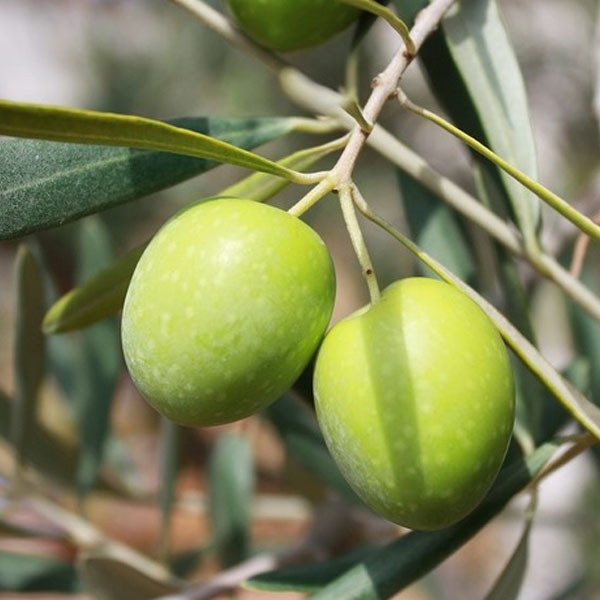
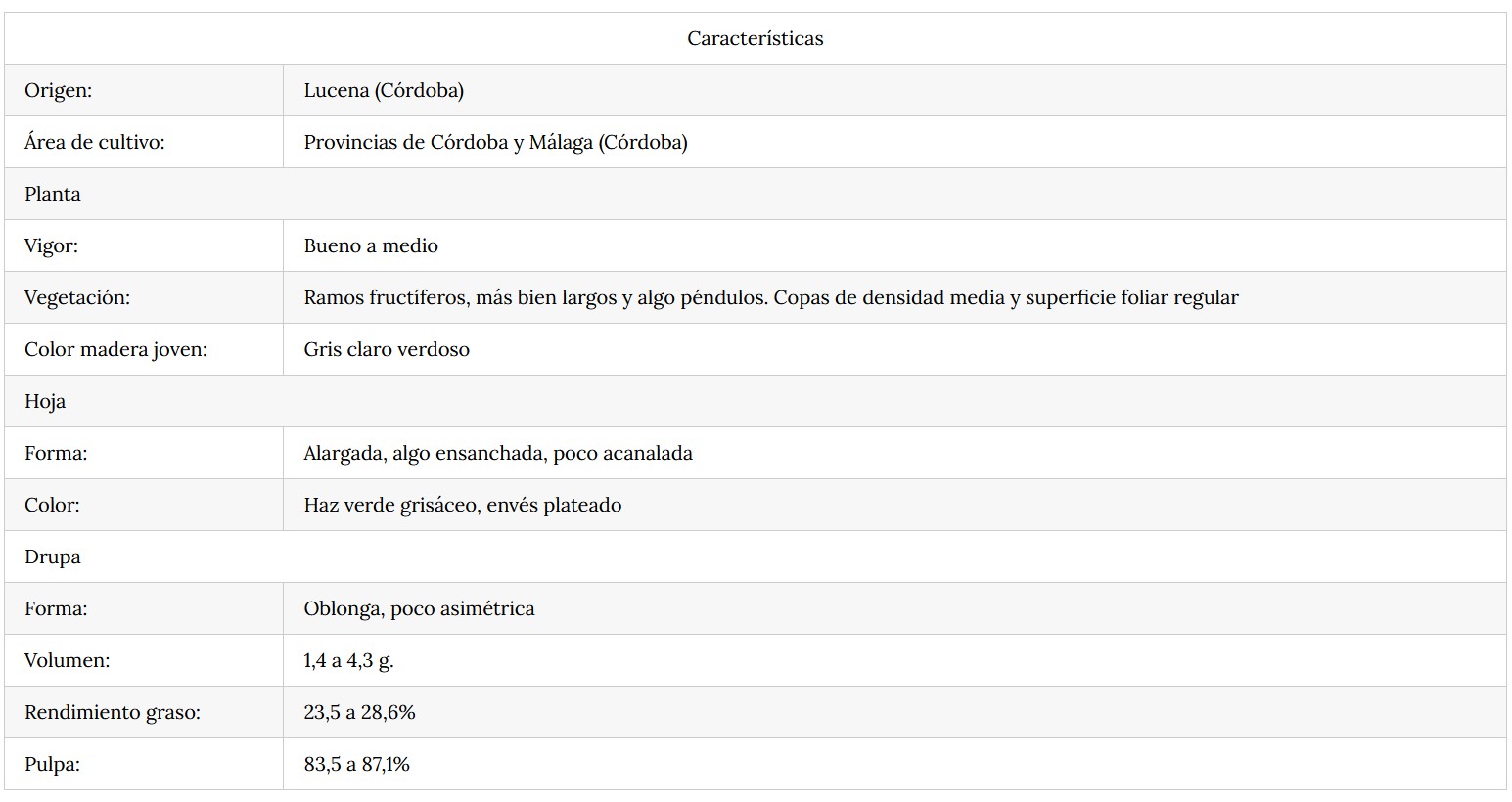
Picual, also known as Marteña, is the second largest variety by production volume within the Aceite de Lucena Protected Designation of Origin. Its name comes from the distinctive pointed shape of the fruit.
Picual oil is intensely fruity, with green aromas reminiscent of fig trees, tomato plants, mint, green almonds or apples. Thanks to these easily recognisable notes, it is highly valued in blends, where it combines especially well with Hojiblanca.
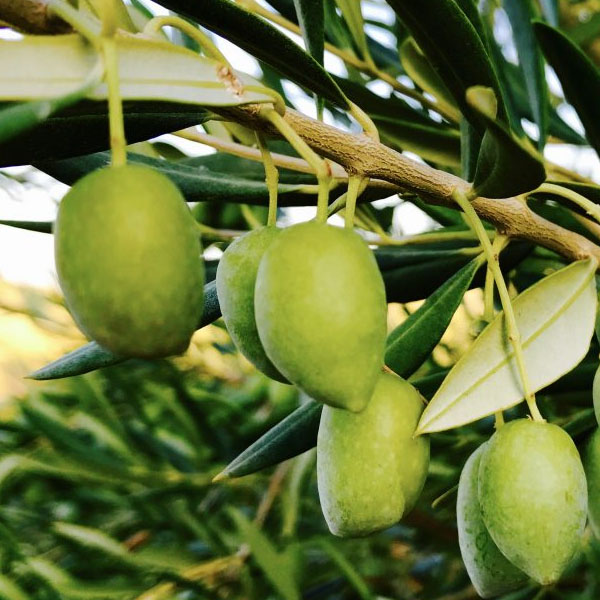
Picudo takes its name from the distinctive shape of its fruit, whose tip is pointed and slightly curved, with a pronounced nipple that makes it easy to distinguish from other olive varieties.
From a sensory perspective, oils obtained from Picudo have excellent organoleptic qualities. They are well-balanced, mild and sweet oils, without intense bitter or pungent notes. In some cases, delicate aromatic nuances evoke exotic fruits, together with hints of apple and nuts, especially almond, adding complexity and elegance to the sensory profile.
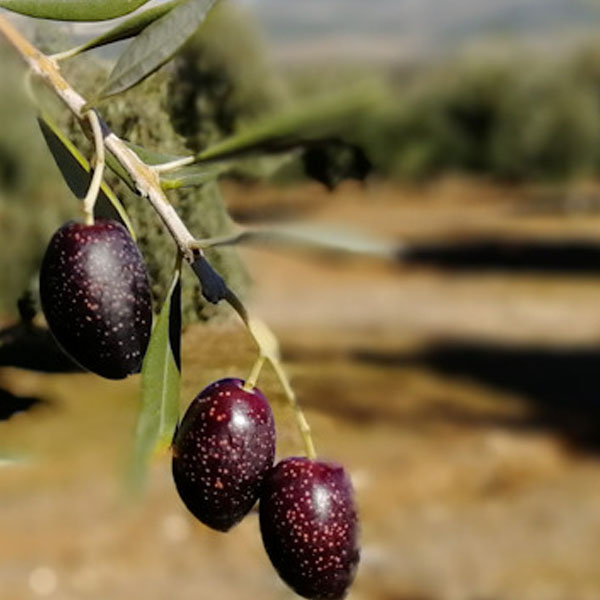
Arbequina olives are small, but highly valued for their early entry into production, which allows an economic return within a relatively short period.
Overall, these oils have a harmonious, balanced profile: light, sweet and very elegant, almost always with a pronounced almond character and ripe fruit aromas such as apple or fruit purée. Subtle exotic notes occasionally add complexity.
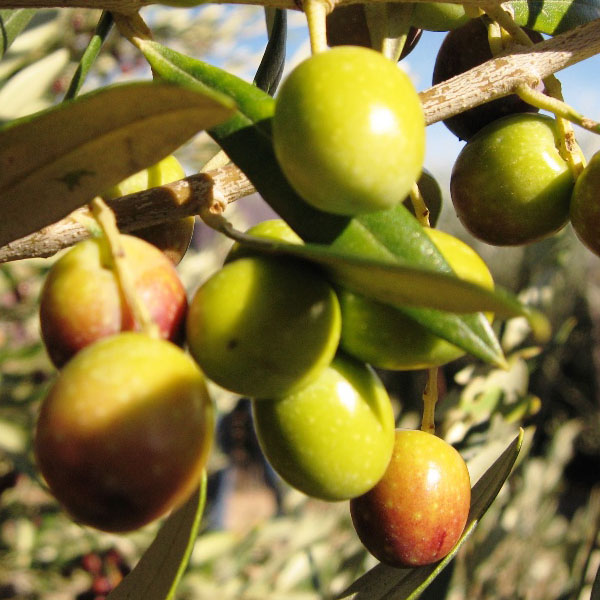
Lechín is widely distributed throughout the Andalusian provinces of Seville, Córdoba, Cádiz, Málaga and Huelva. Its name comes from the characteristic whitish colour of its flesh.
In terms of organoleptic properties, Lechín oil is fluid and distinctly vegetal, with well-defined medium bitterness and a persistent green almond aftertaste. It is a balanced oil with character, although less sweet than varieties such as Arbequina or Picudo.
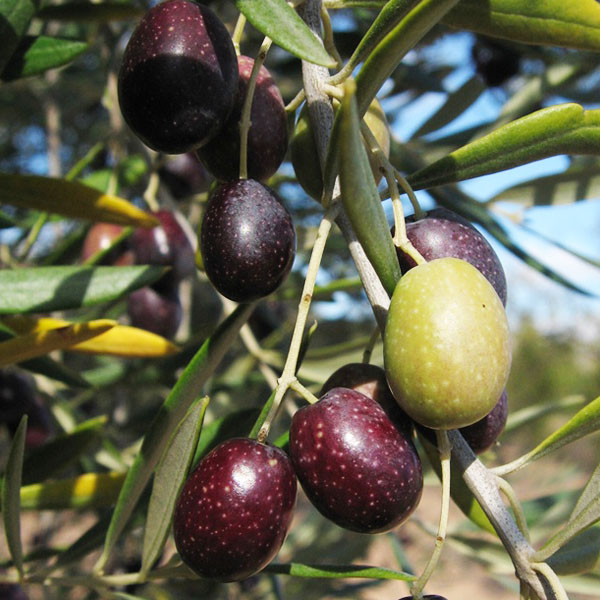
Ocal is usually found as isolated olive trees in corners, along boundaries or in outlying parts of farms, where its presence tends to reflect tradition and personal attachment rather than agronomic planning. In many cases, these trees have been preserved out of nostalgia or affection for traditional farming, and form part of the historic olive-growing landscape.
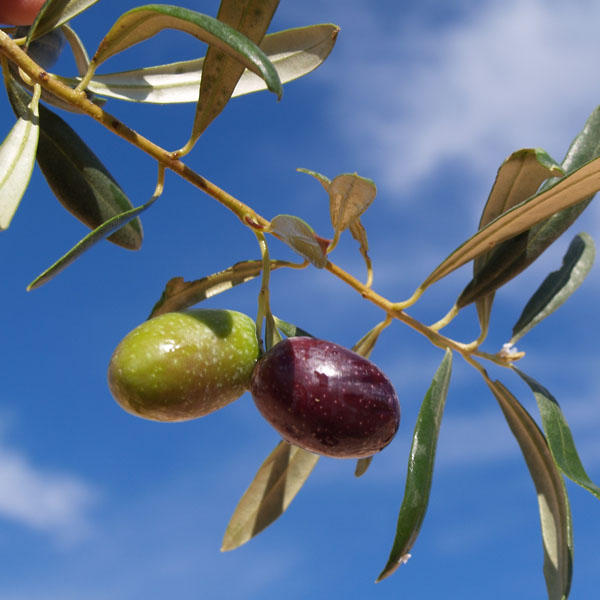
The name of this variety refers to the characteristic weeping appearance of its branches, which hang noticeably and give it a very recognisable silhouette in the countryside.
The variety has numerous local synonyms, reflecting its historic roots in different parts of the province of Córdoba.